
Your Home Is Affecting Your Health and Here's the Science Behind It
You've probably walked into a room and instantly felt at ease. Or the opposite, you stepped into a space that felt off somehow, even though you couldn't quite put your finger on why. That's not just a vibe. That's your brain responding to your environment, and there's real science behind it.
It's called neuroaesthetics, and it's something we think about with every single project we take on.
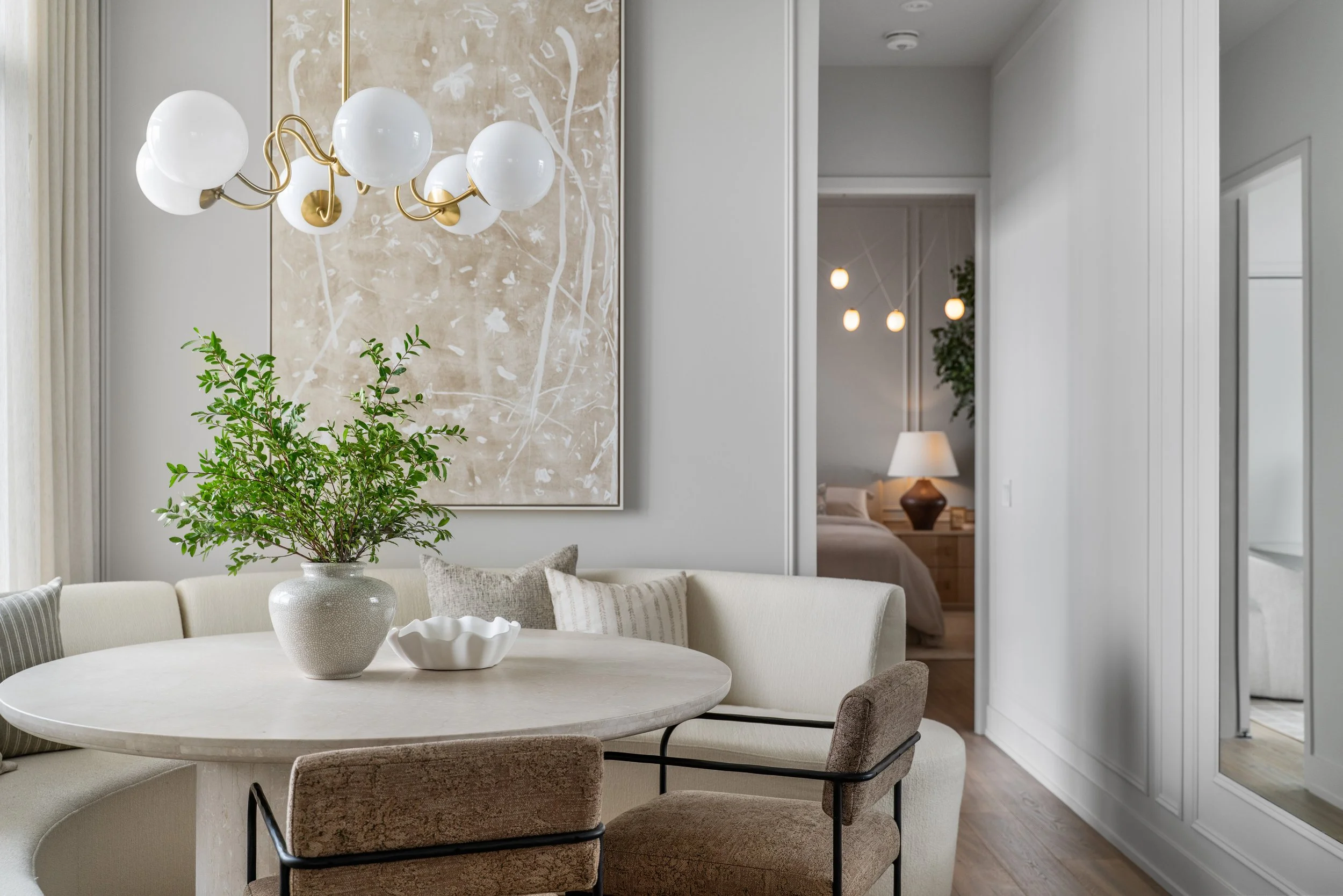
So what actually is neuroaesthetics?
At its core, neuroaesthetics is the study of how beauty and design affect the brain and body. It sits somewhere between neuroscience, psychology, and design and what it tells us is that the spaces we live in have a much bigger impact on our wellbeing than most people realize.
The colours on your walls, the way light moves through your kitchen in the morning, the textures you reach out and touch, whether a room feels open or cluttered. All of it sends signals to your nervous system, whether you're aware of it or not. Researchers have found measurable links between our environments and our stress levels, sleep quality, mood, and even physical health.
Your home isn't just the backdrop to your life. It's actively shaping how you feel in it, every single day.
What this actually looks like when you're designing a space
This isn't abstract or theoretical, it shows up in really practical decisions.
Colour is a big one. Cool, muted tones tend to lower heart rate and create a sense of calm. Warmer, more saturated colours can bring energy to a space but can also tip into feeling overstimulating if they're not balanced carefully. When we’re helping a client choose a colour palette, we’re not just thinking about what looks good, we’re thinking about how they want to feel when they wake up in that room or walk through the door after a long day.
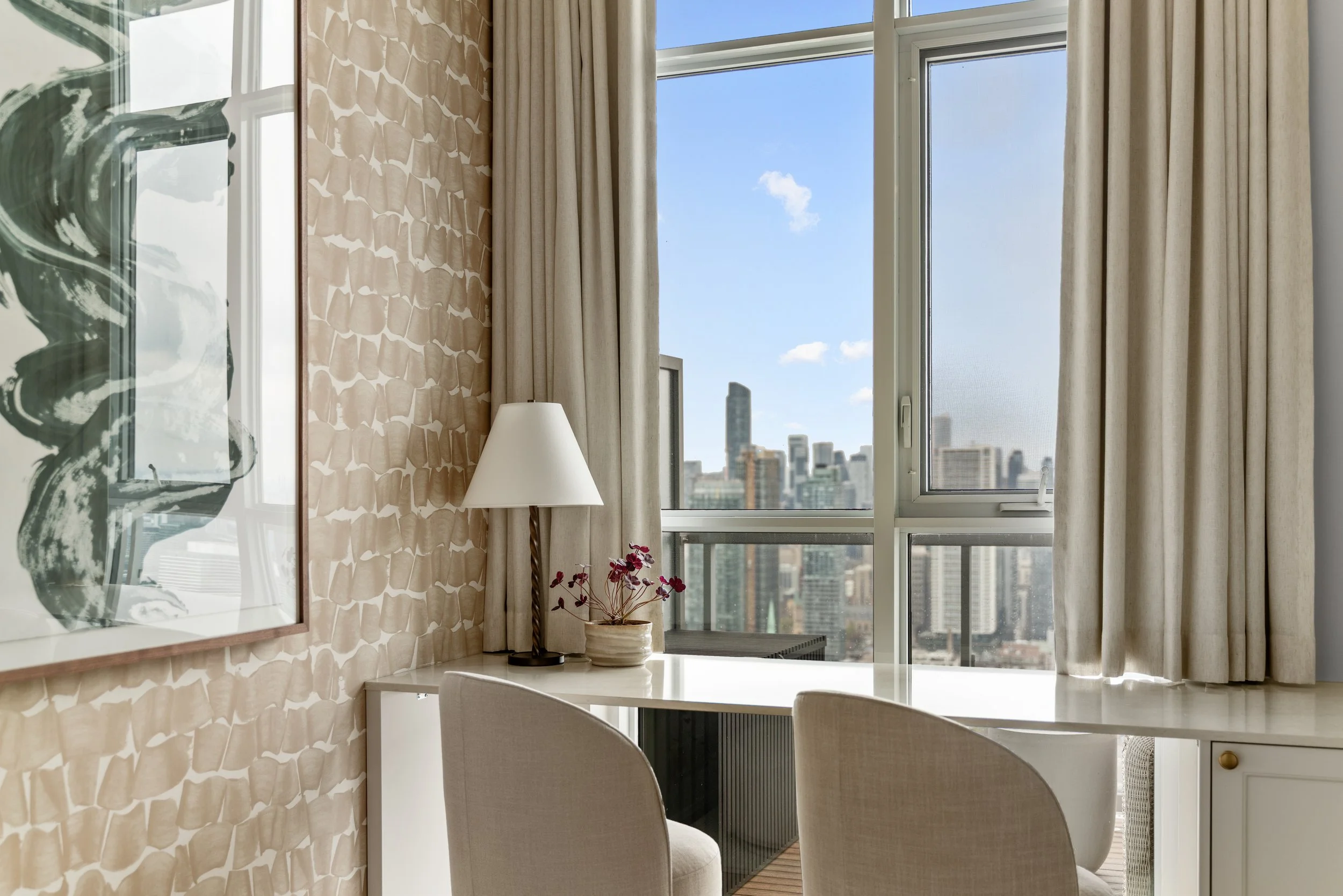
Natural light is another factor that doesn't get nearly enough attention during renovations. It regulates our circadian rhythm, lowers cortisol, and genuinely affects how well we sleep. So when we’re looking at a space, we’re always thinking about how light moves through it and how we can make the most of it.
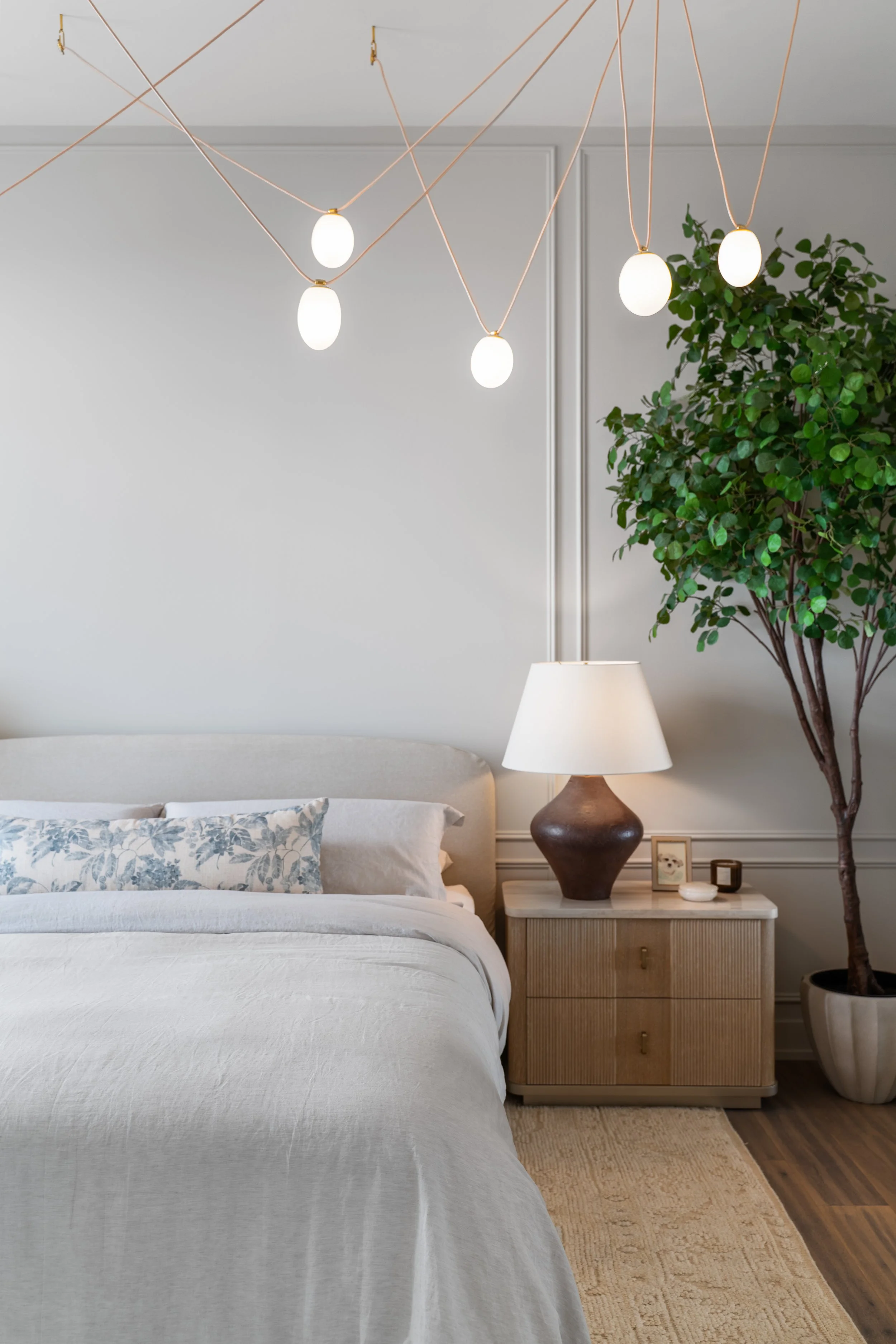
There's also something called biophilia which is our deep, almost instinctive need to feel connected to nature. Using natural materials like wood, stone, and linen, bringing in plants, incorporating organic shapes. These aren't just design trends. They tap into something biological. Spaces with these elements consistently feel more restorative, and there's a lot of research to back that up.
Then there's just flow. How a room is laid out, whether the scale of the furniture feels right, whether your eye has somewhere natural to land. All of it contributes to whether a space feels effortless or subtly stressful to be in.
Why this matters when you're planning a renovation
When you're knee-deep in renovation decisions the finishes, timelines, budgets, contractor schedules are easy to lose the thread of why you started in the first place. The question we always come back to with clients is: how do you actually want to feel in this space?
That answer should be driving everything. The cabinet colour, the countertop, the lighting, the layout, and when those decisions are made with intention rather than just trend or default preference, the result is a space that genuinely works for the people living in it.
That's what neuroaesthetics means to us in practice. Not just beautiful rooms, but spaces that feel right to be in. Ones that are calming when you need calm, energizing when you need energy, and always a reflection of who you actually are.
Luxury isn't just about how a space looks. It's about how it makes you feel.

Thinking about a renovation and want a space that truly works for your wellbeing? Get in touch, we’d love to hear about your project.